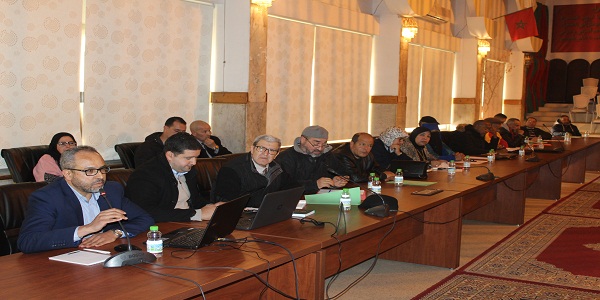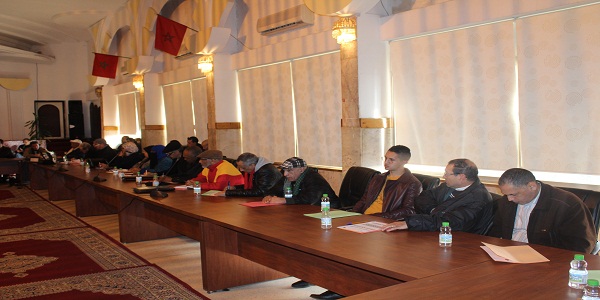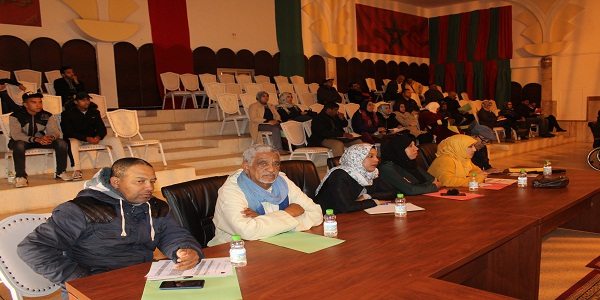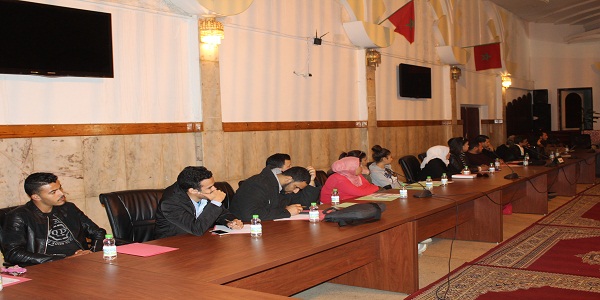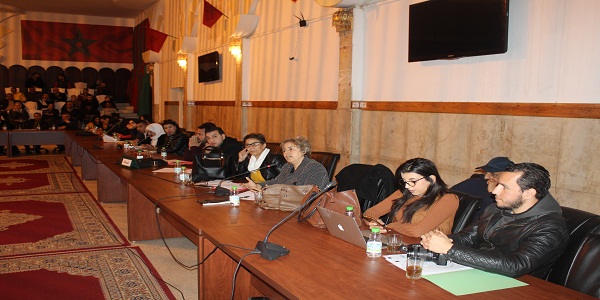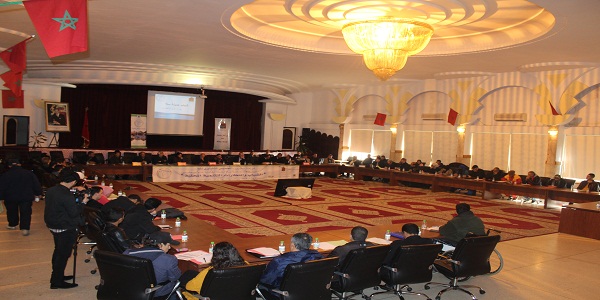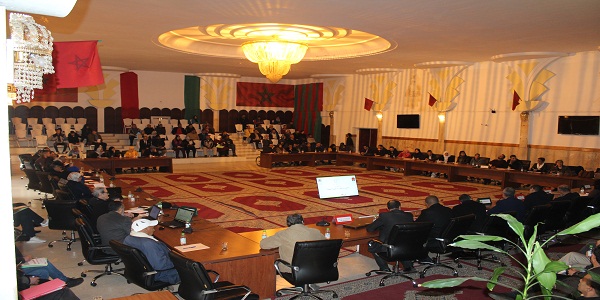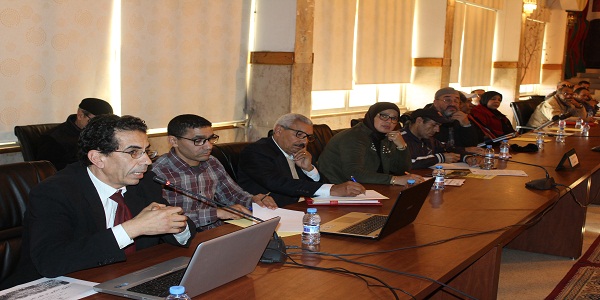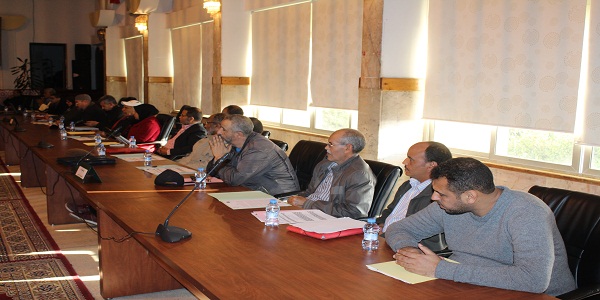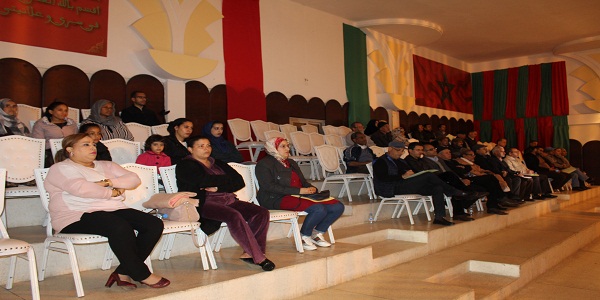



The Regional Council of Rabat-Salé-Kénitra holds its ordinary session of March 2019
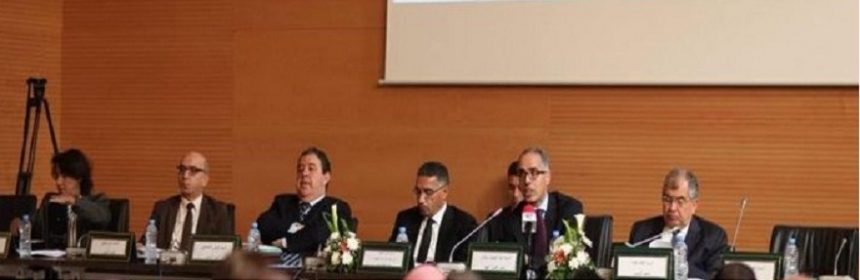
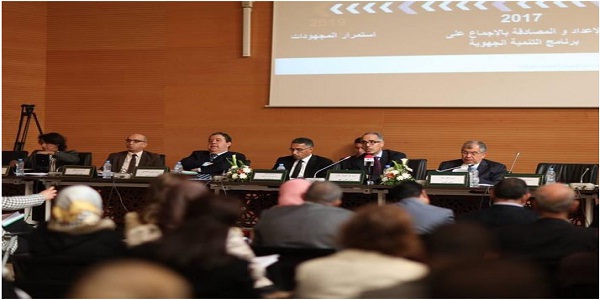
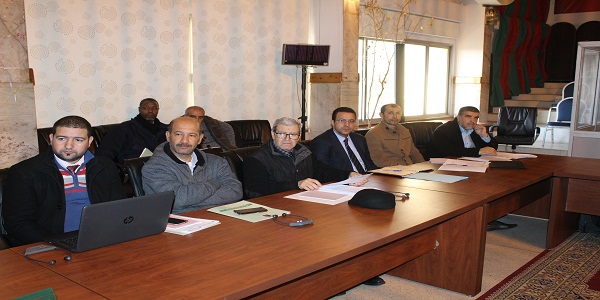
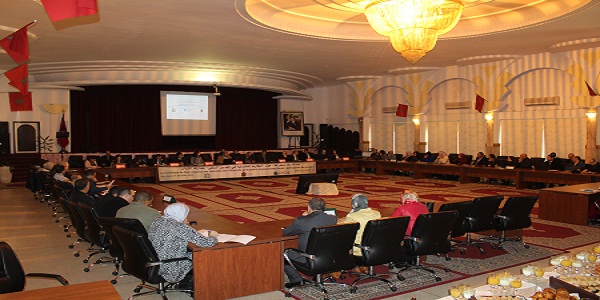
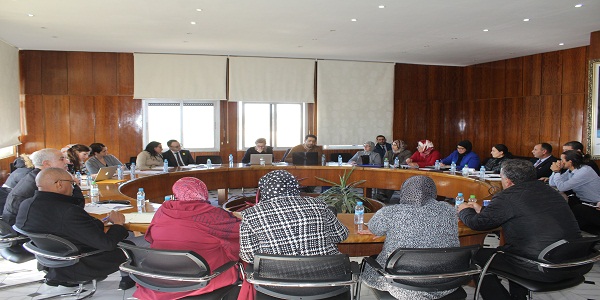
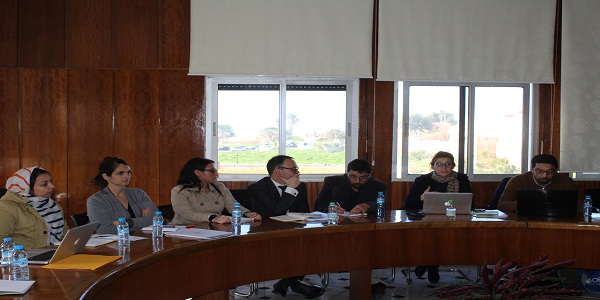
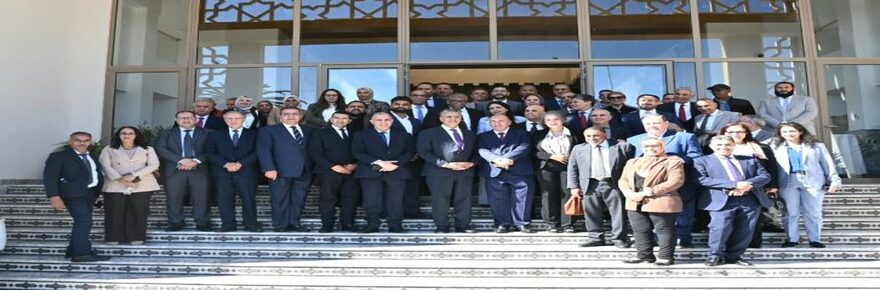
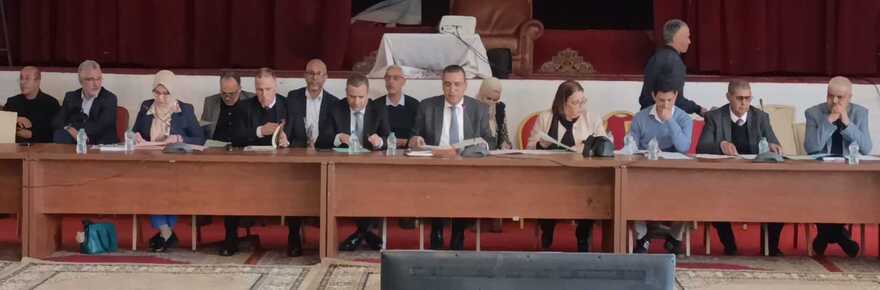
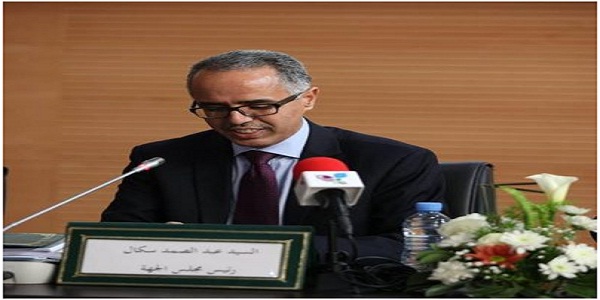
Presenting the mid-term review of the Council of the region for the years 2016-2017 and 2018, on the occasion of the ordinary session of the Council for the month of March 2019, Mr. Abdessamad Sekkal, President of the Council of the region said Monday, March 4, 2019 in Rabat, that a budget of more than 13 billion dirhams has been allocated to projects planned in the region of Rabat-Salé-Kenitra, with a contribution of the Council amounting to 2.418 billion .

Thus, the Regional Council of Rabat-Salé-Kénitra has approved 31 draft conventions aiming at the optimal implementation of the regional development program and the promotion of the convergence between the projects planned within the framework of this project considered as a reference document for the region.

These agreements provide for the rehabilitation and development of the Ancient Medina of Salé, the financing and implementation of urban upgrading projects in the city of Souk El Arbaa and the modernization of the road network of the region, in addition to road projects. under the Rural Social Disparities Reduction Program.

The promotion of the cultural activity was also on the menu of the council session which thus endorsed the draft convention on a contribution by the region to the organization of the International Festival “Rabat Lumières”.

With regard to the water supply of the rural population of the province of Sidi Kacem, pursuant to the program for the reduction of spatial and social disparities, a draft convention has been approved for the financing and implementation of projects to this end between the Regional Council and the National Office of Electricity and Drinking Water.
Regarding electricity, the council approved a partnership agreement relating to the work of connecting public lighting transformers to the medium voltage network, particularly in the Mssaada, Ouled Ben Hammadi and Ouled Hssine communes (Sidi Slimane province).

In the field of health, a convention has been approved between the Ministry of Health and the wilaya of the region of Rabat-Salé-Kenitra, the Council of the region, the Ministry of Economy and Finance for the completion of the work of realization of the external facilities and facade of the new provincial hospital of Témara.

After the cancellation of the 2018 surplus appropriation program, the council adopted a partnership agreement with the Moroccan League for the Protection of Children on a contribution to the construction and equipment of the project. socio-educational complex for the accommodation and protection of children deprived of family and in difficult situation in Kenitra.

With regard to the regional master plan for continuing education, the head said that the Rabat-Salé-Kenitra Regional Council is ensuring the strengthening of the role of the Regional Councils through the organization of 307 training sessions in the region. 1,300 elected officials and managers in all the communes, according to a program aiming to consolidate their skills in the field of the management of public affairs in order to improve the quality of work of the Regional Councils for socio-economic development.

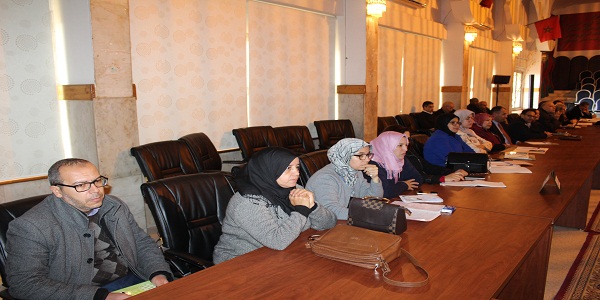
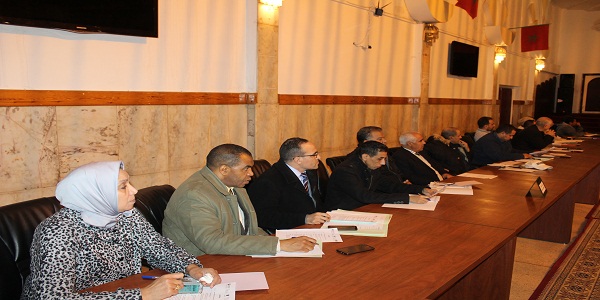
This meeting, attended by the Wali of the Rabat-Salé-Kenitra region, Mohamed Yaacoubi, and the representatives of the foreign services was an opportunity to discuss the points on the agenda, in particular the project of the Framework Convention related to the rehabilitation and development program of the Medina of Salé 2019-2023.
Installation of the new governor of Salé prefecture

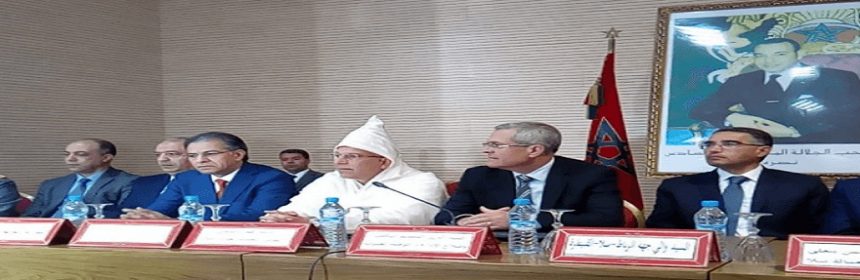
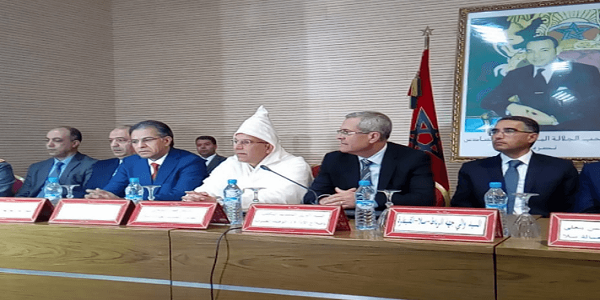
The Deputy Minister for the Reform of Administration and Civil Service, Mohamed Benabdelkader presided, Wednesday, February 20, 2019 in Salé, the installation ceremony of Mr. Omar Touimi, which HM King Mohammed VI appointed Governor of the prefecture of Salé.

This investiture ceremony was attended by MM. : Mohamed EL Yaâkoubi, Wali of the Rabat-Salé-Kenitra region; Abderrahmane Benali, ex-governor of Salé; the vice-president of the regional council; Jamaâ EL Mouâtassim, president of the commune council of Salé; the president of the prefectural council; the Governor representing the Minister of the Interior; the President of the Military Garrison; the President of the Court of First Instance; in addition to the president of the provincial safety district; certain persons in charge of the National Security, the Royal Gendarmerie, the Civil Protection and the Auxiliary Forces; presidents of the boroughs of the city; as well as the representatives of the external services, the Judiciary and the local authority; elected officials; actors in civil society and the press and the media.

Born on September 14, 1970 in Larache, Mr. Omar Touimi holds a doctorate in public law and laureate of the Royal Institute of Territorial Administration.
He began his career as an agent of authority in 2001, as a caïd at the Directorate General of Internal Affairs at the central administration of the Ministry of the Interior, before being appointed caïd at the prefecture of Rabat in 2002 , then boss, chief of cabinet of the governor of the prefecture of Salé in 2003.

“Young people and their expectations for local development” as a theme of the Thursday Concertation of Salé (TCS)

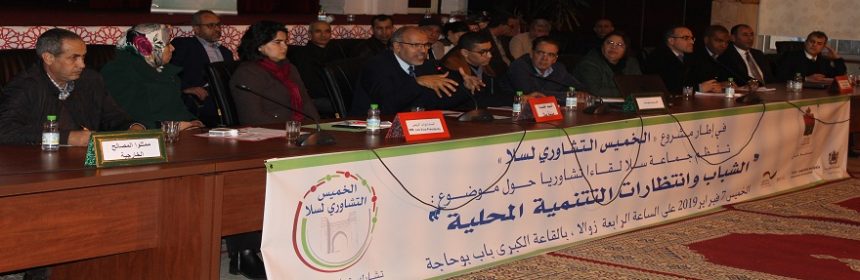
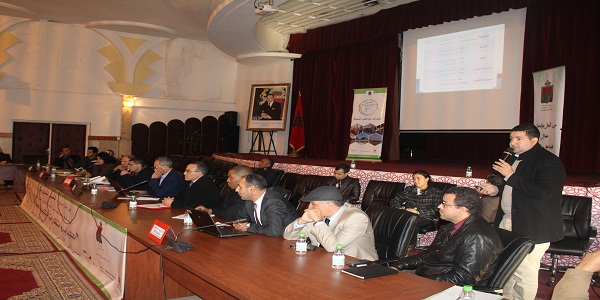
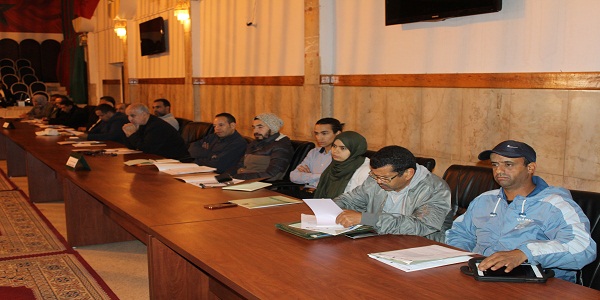
As part of the meetings of the TCS, the town of Salé organized, Thursday, February 7, 2019, a consultative reunion on the theme “Young people and their expectations at the level of local development”, which was attended by: the president of the commune of Salé Salé, Mr. Jamaâ El Mouâtassim, some members of the municipal council, coordinators of the borough advisory committees, representatives of civil society, as well as a group of citizens.

At this gathering, Mr. El Mouâtassim emphasized that the Salé municipal council attaches great importance to issues relating to youth, as evidenced by various initiatives in which the municipality is committed to strengthening the capacity of young people to benefit from services provided within the scope of its competencies; as well as in initiatives to support the status of youth, as a proactive proposal force contributing to the management of local affairs through mechanisms for dialogue, consultation and participation.

Mr El Mouâtassim added that the municipal action program for the period 2018-2023 included a number of projects directly dedicated to young people, such as cultural complexes and sports and leisure centers, and a number of already launched projects that include activities for youth would be exploited in the coming days. He also said that Salé communal council was constantly discussing with a number of partners how to strengthen employment prospects for young people, create income-generating activities and revive the economy of the city.

This meeting, led by Mr. Mohcine Bahdi, was marked by the presentation of two talks: the first on “The young people of Salé between reality and expectations”, was communicated by Mr. Hicham El Ouardi, representative of the advisory committees relating to districts; while the second transmitted by Mr. Abdou Sfiri, a civil servant of the commune of Salé, focused on “The communal action in the supervision of young people and their support to participate in local development”.

The second session of this assembly was devoted to an open discussion on the topic between stakeholders and the present audience, during which recommendations were made and communicated to the TCS Steering Committee for a feasibility and realization.

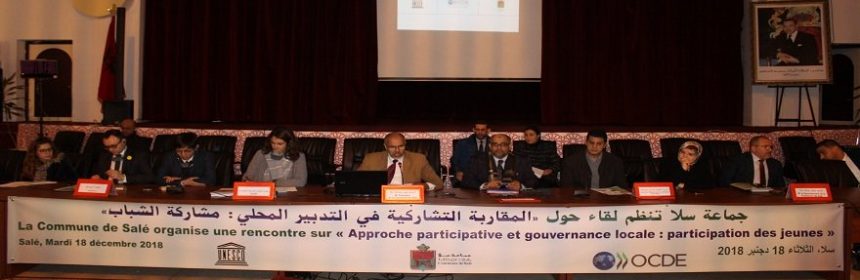
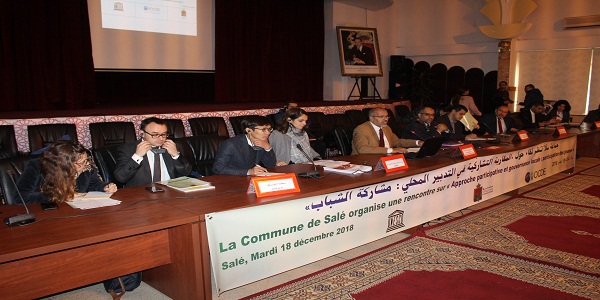
Experts Discuss Ways to Strengthen Youth Participation in Local Governance in the City of Salé

The commune of Salé organized, Tuesday, December 18, 2018 at the headquarters of the municipality located in Bab Bouhaja, in partnership with the Organization for Economic Cooperation and Development (OECD) and the United Nations Educational, Scientific and Cultural Organization (UNESCO), a workshop on “Participatory Approach to Local Governance: Youth Participation”; and attended by representatives of the OECD, UNESCO, a number of local elected representatives, representatives of civil society associations, the Forum for Fairness, Equal Opportunities and Gender Approach in the communal council, as well as young people of both sexes.

In the first place, Mr. Jamaâ El Moâtassim, President of the commune of Salé, launched the inaugural session of the workshop, mentioning the national context that favored the Kingdom of Morocco’s accession to the partnership initiative for a open government as an effective model of good governance.

Mr. El Moâtassim added that the organization of such a workshop on youth participation in local governance is the real embodiment of the collective will of the Salé Council in promoting a participatory approach to local governance and openness to young people, as the true wealth of the country. Thus, it is necessary to place youth issues at the heart of the new development model, to prepare an integrated youth strategy and to reflect on the most effective ways to improve its situation; and we must, he confirmed, first of all open the door to trust and hope, as HM King Mohammed VI asserted.

Similarly, Mr. El Moâtassim stressed that the proportion of young people in Salé is important, which is both a positive aspect and a challenge that requires special attention to young people through projects and development programs dedicated to them. This translates concretely into the municipal action plan for the 2018-2023 period through the allocation of 85 projects for young people, with an estimated budget of 1.5 billion dirhams.

On the other hand, Mr. El Moâtassim revealed the adoption, by the commune of Salé, of a multitude of initiatives opting for the reinforcement of the mechanisms of youth participation in the process of management of local affairs, notably the creation of a local advisory committee made up of a certain number of young people at the level of the working groups or the steering committee and the organization of consultative meetings within the framework of the “Salé Concertation Thursday”, attended by young people representative of civil society associations, which operate in various fields.

For her part, Ms. Charlotte Denise-Adam, representative of the OECD, praised the efforts made by the municipality of Salé to consolidate the platform and the principles of open administration, in a participatory approach, and one of its priorities is to create opportunities for youth participation in local affairs. She also underlined the seriousness of the commitments and initiatives undertaken by the Ministry of Youth and Sports in the context of advanced regionalization, in order to create the necessary conditions to strengthen youth participation in various fields.

During his speech, Mr. Phinith Chanthalangsy, a specialist in the Humanities and Social Sciences program at UNESCO, expressed his satisfaction at working in partnership with the commune of Salé in the context of strengthening the achievements of local democracy. He added that the Organization is conducting a program focusing on the territorial level, which brings together 10 Mediterranean countries, and whose vocation is to increase the political participation of young people at national and local levels. He also appreciated the initiatives taken by the commune of Salé for its role of involving young people in the management of local issues, and creating spaces to express their concerns; This requires strengthening existing practices and developing structured programs for youth policies that meet the needs and expectations of these young potentialities.

For his part, Mr. Ahmed Ould El Caïd, representative of the Directorate of Youth and Sports in Salé, expressed the importance of organizing such meetings; which provide a space for serious, direct and candid dialogue to raise a series of questions about youth participation in the management of public affairs.

The workshop was marked by presentations on the integration of young people in local governance, notably by Ms. Halima Chouika, vice-president of the commune of Salé, in which she listed some initiatives taken by the commune of Salé, aiming at concretizing the legal provisions related to participative democracy and establishing mechanisms for dialogue and consultation, particularly with the young people of the city.

As for the presentation presented by Flavio Ramos, representative of the Portuguese city Vila Nova de Gaia, he gave an overall assessment of the city’s experience in integrating young people into local governance and creation of  youth councils as an advisory body and power of suggestion vis-à-vis the municipalities and districts of Portugal.

As an indication, the activities of the workshop took place in three sessions: the first was devoted to the presentation of institutions and bodies made available to young people to increase their participation in public policies; the second focused on the sustainable policy monitoring method through dialogue and participation mechanisms; while the last session focused on guidelines and best practices for the development of a guide for youth involvement.

The “Thursday of Concertation of Salé” discusses the theme “Salé, a city without slums: between ambition and constraints”

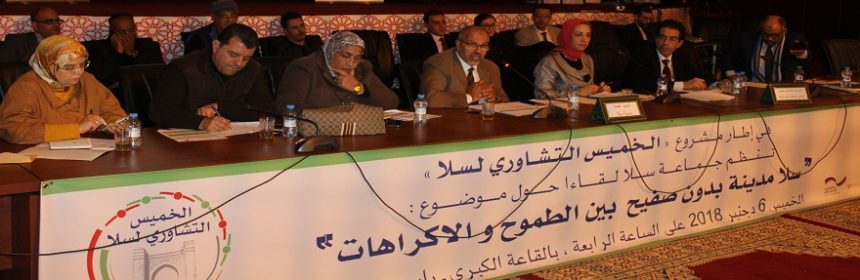
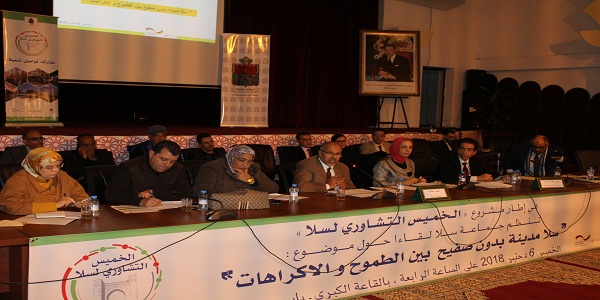
The commune of Salé organized, in the framework of the meetings of the “Thursday of Concertation of Salé”, a consultative meeting on the topic “Salé, city without shantytowns: between ambition and constraints”; and this, Thursday, December 06, 2018 around 16h, at the large communal hall located in Bab Bouhaja. The reunion was attended by the Ministry of National  Planning, Urban Planning, Housing and Urban Policy; and the presence of members of the Salé municipal council, the presidents of borough councils, coordinators of borough consultation committees, as well as various civil society associations and several citizens.

This audience was initiated by an intervention of Mr. Jamaâ El Moâtassim, president of the municipality of Salé, in which he stressed the importance given by the communal council to contribute to the eradication of slums to the city of Salé, to through the allocation of the necessary means to face the constraints raised, according to a participative vision and within the framework of a common responsibility.

Mr El Moâtassim added that the number of families concerned was 8,134 and that the nature of the intervention included rehousing, rehosting and restructuring. As for the municipal contribution to the reduction of substandard housing, it includes the acquisition of real estate necessary for the realization of the projects and the free transfer of the property tax base (Operation ANNOUR 5.4 hectares) and the structuring process of under-equipped neighborhoods, external amenities and accelerate the pace of study of typical design records, in addition to participation in relocation monitoring.

And as preliminary results of the efforts made on the subject, Mr. El Moâtassim spoke about the capacity to eliminate 2 indecent neighborhoods, and the resettlement of families from Douar Jdid and Douar Draoû, located on the territory of the district Tabriquet, to the sidi Abdellah project on the basis of 2 families for a lot of land, where the completion of the operation exceeded 93%.

With regard to the Sehb El Caïd operation, it was decided to relocate part of the households of Sehb El Caïd in site (some 1239 households) and to relocate another one on the Saïd Hajji subdivision site (about 1305 households).

The assembly was marked by the presentation of the efforts of the Ministry of National Planning, Urban Planning, Housing and City Policy in the implementation of the National Cities Without Slums program, as well as the views of civil society regarding the reality of the proliferation of precarious housing in the city of Salé and its repercussions at different levels and domains; through two presentations presented respectively by Mr. Omar Morsli, representative of the Ministry, and Mr. Mohcine Bahdi, representative of consultation committees at the borough level.

This gathering was an opportunity to discuss the causes of spread of slums in Salé, and related problems including social issues; as well as the proposal of practical recommendations whose implementation would help to solve the problem of unsanitary housing in the city of Salé.

Salé welcomed the traditional procession of candles in commemoration of Eid Al-Mawlid Al-Nabawi

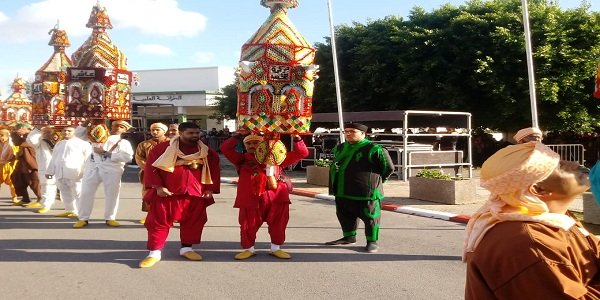
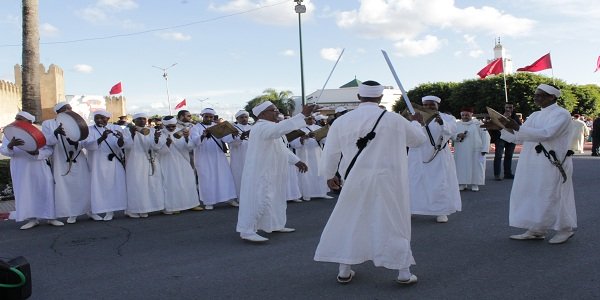
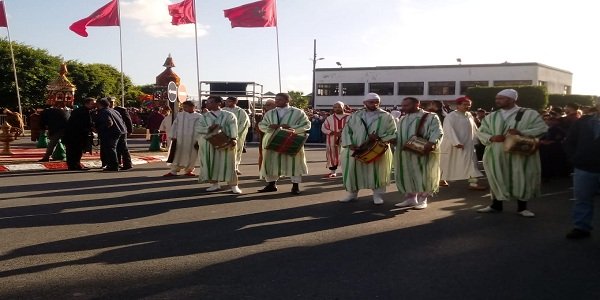
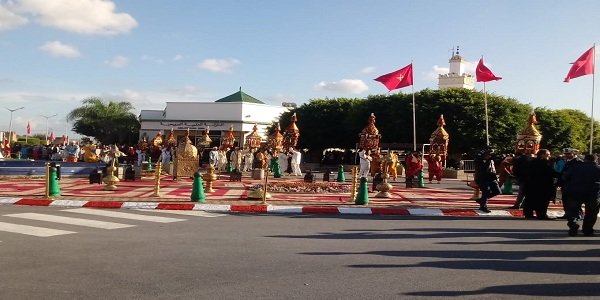
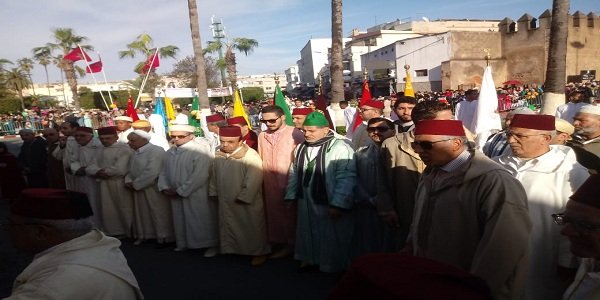
As usual for four centuries, the city of Salé lived, Monday 11 Rabi’al-awwal 1440 AH – November 19, 2018, a festive atmosphere to the rhythm of the Moussem candles in commemoration of Eid Al Mawlid Al-Nabawi. The procession of the candles, which left after the prayer of Al Asr of the secular door “Bab Bouhaja” at the Mausoleum of Sidi Abdellah ben Hassoun, wandered through the main arteries of the city where the parade was attended by a large crowd along the route of the procession marked by the participation of several folk groups from all over the Kingdom.

Organized in cooperation with the commune of Salé and the prefecture of Salé, this ancestral event, which remains the prerogative of the city of Salé as intangible cultural heritage, is initiated each year by the Hassouniyine chorfas, to commemorate the anniversary of the birth of Prophet Sidna Mohammed.

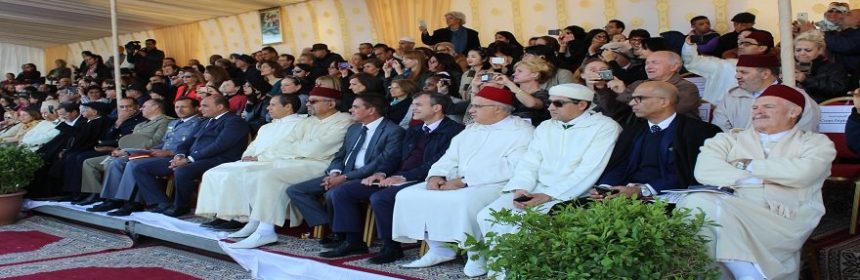
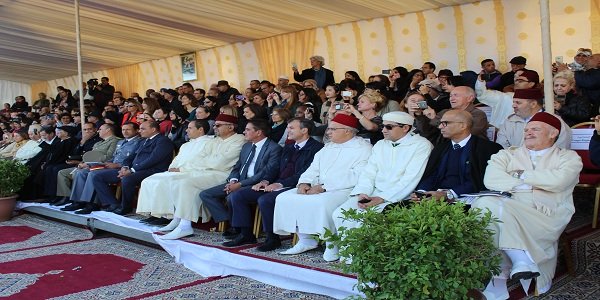
This solemn ceremony took place in the presence of Messrs.: Rachid Douibi and Bahaeddine Akdi, vice-presidents of Salé commune council, secretary general of Salé prefecture; in addition to representatives of the judiciary, security and local elected officials in Salé; as well as civil and military personalities.


1 17 18 19 20 21 38